

How to Not Get Offended
- Apr 21, 2023
- 4 min read

Art by Petra Eriksson
Humans are inherently wired to have opinions; we see the world through judgment-tinted glasses. In this era of hyper-connectivity with access to so much information, however, a lot of us are questioning, unlearning, and relearning our beliefs to become better versions of ourselves. We no longer think in the way we used to 10 years ago. Be it feminism, LGBTQIA+ rights, animal rights, or even climate change, we have opinions about most things, and these have changed over time and will continue to change as we gauge new information. Trying to be ‘Woke’ isn’t about throwing around fancy terms; it is about questioning your beliefs and being willing to change them if need be to accommodate others better and make this earth a safe, shared place for everyone. Nevertheless, intolerance is rising all around us, and learning to be patient is a compelling necessity.
Arguments are bound to happen when someone contradicts our beliefs, especially those important to us. Lately, getting offended is becoming extremely common. It makes me wonder if there is anything between being a ‘Snowflake’ and an ‘Ignorant-entitled individual’?

Diving into Indian Philosophy
Trying to explain the Advaita Vedanta Mahavakya’ Aham Brahmasmi,’ Devdutt Pattanaik says,
“Every human being has his own cerebrum, hence is subject to his own imagination of his self and the world around him, which is why every human being imagines himself to be special. Every human being is thus Brahma, the creator of his own Brahmanda. Prakriti is common to all living creatures, but Brahmanda is unique to a Brahma. As many Brahmas, as many imaginations, as many Brahmandas.”
अहम् ब्रह्मास्मि
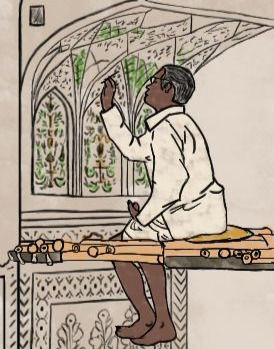
In simple words, it translates to ‘I am Brahma,’ or I am the creator of my universe. Everyone has a different perspective about the world; our thoughts make our reality, our peculiar universe. Thus each individual uniquely views the world or lives in their own universe. And though two individuals live in the same physical world, they are in different subjective universes, as no two universes are alike. So expecting others to agree with all your views entirely is not possible. In addition, this also means that a clash of opinions is inevitable.
This brings us to,
The Psychology of Hate
According to the psychodynamic approach, we hate something that is repressed or shunned in us.

“I’m not terrible; you are.”
This process is known as ‘Projection,’ a word coined by Freud to describe our inclination to reject aspects of ourselves that we don’t like. Using this defense mechanism, one attributes their positive or negative characteristics, affects, and impulses to another person or group. Unpleasant or unacceptable impulses, stressors, ideas, affects, or responsibilities are attributed to others. For example, the defense mechanism of projection enables a person conflicted over expressing anger to change “I hate him” to “He hates me.” Such defensive patterns are often used to justify prejudice or evade responsibility.
According to Freudian psychology, we developed this method to survive because any ‘badness’ in us puts us at risk of rejection and isolation from society. So we repressed the things we believed were wrong either on our own or because of what others said or suggested to us that was unlovable and morally wrong. According to Psychologist Brad Reedy, projection is our need to be good. It motivates us to project “badness” outward and attack it by using hatred and judgment on others. We believe that this is how one gets rid of their unpleasant features.
For example, if someone gets offended when they see their friend not using the word ‘please’ as frequently as deemed appropriate, they might think it is necessary to talk to them about this, which can be justified. However, they get particularly annoyed by this because, as a kid, they were scolded and shamed for doing the exact same thing.
Now think of all the things you hate and ask yourself, was it ever something you once believed in or did?
Understanding two perspectives can co-exist
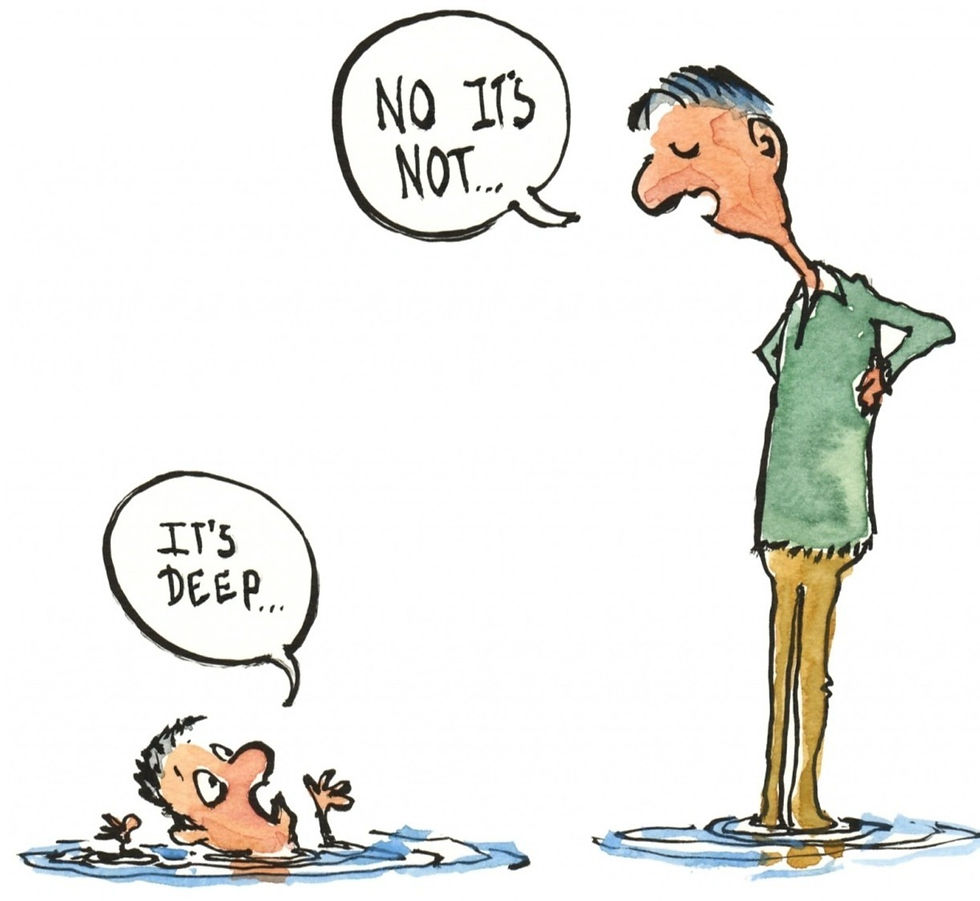
When you are arguing with someone, you are not just talking to the person in front of you, but also the entire life experiences of the person that precedes them. Just because someone’s beliefs contradict yours does not make them invalid or any less of a human being. Neither does it make you better than them. However, that being said, people should have opinions, or else we will slowly slip into total chaos. It is only through uncomfortable conversations that we can sometimes learn and sometimes educate others and develop as a society together. However, both parties should be willing to listen to each other.
Even though people might have orthodox or ignorant opinions, they should not be shamed for voicing them as long as they are open and willing to change. Moreover, one has to remember that we often read and are informed about topics that are important to us, and others don’t necessarily share our interests. Thus expecting them to know everything is not fair. So while getting offended at times is okay, it should not be one’s go-to approach. A little patience goes a long way.

At the end of the day, you want to be defined by the things you love and not the things you hate. So be patient as you grow and help others grow.


-01.jpeg)
A good read. Very well written and structured.